

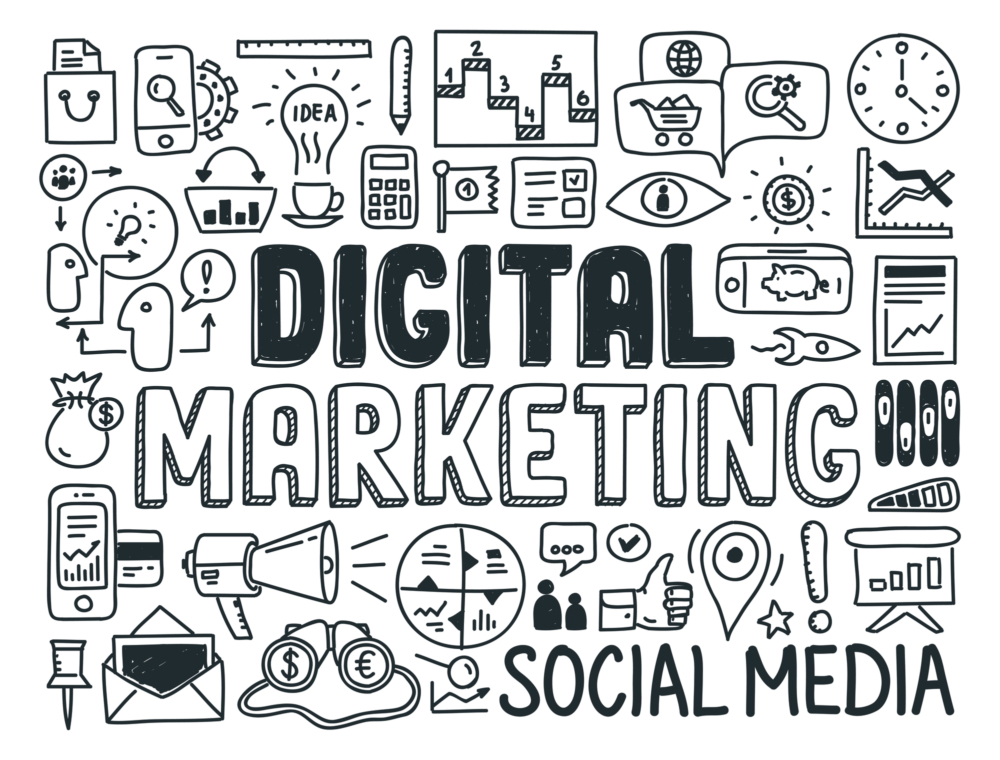
In the ever-evolving world of business, staying ahead of marketing trends can make the difference between growth and stagnation. As we step into 2024 and look toward 2025, understanding the shifts in marketing is essential for business owners. This guide explores the most important trends of 2024 and what’s likely to dominate marketing strategies in 2025, ensuring your business remains competitive.
Key Marketing Trends of 2024
Personalisation at Scale
2024 has been a year of taking personalisation to the next level. Businesses are leveraging advanced AI tools to deliver hyper-personalised experiences. From product recommendations tailored to customer preferences to dynamic email marketing campaigns, personalisation has shifted from being a bonus to an expectation.
- Why It Matters: Consumers want to feel understood. Reports suggest that businesses using advanced personalisation see a 20% increase in customer loyalty.
- Actionable Tip: Use tools like customer relationship management (CRM) software and AI-driven analytics to understand and predict customer needs.
Interactive Content
Interactive content—quizzes, polls, and augmented reality (AR) experiences—has taken centre stage. It’s engaging and memorable, creating a lasting impression on your audience.
- Why It Matters: Interactive content generates twice as many conversions as passive content like blogs or static ads.
- Actionable Tip: Incorporate interactive features on your website or social media channels to engage users more effectively.
Sustainability Messaging
Consumers increasingly prefer brands that align with their values, particularly those focused on sustainability. Highlighting eco-friendly practices in marketing campaigns has proven to be a winning strategy in 2024.
- Why It Matters: Over 60% of UK consumers say sustainability impacts their purchasing decisions.
- Actionable Tip: Clearly communicate your brand’s commitment to sustainability, such as using eco-friendly materials or reducing carbon emissions.
Voice Search Optimisation
With the continued rise of voice-activated devices like Alexa, Google Home, and Siri, optimising for voice search has become a non-negotiable aspect of digital marketing.
- Why It Matters: By 2024, over 50% of all online searches are expected to be voice-based.
- Actionable Tip: Focus on conversational keywords and ensure your website is optimised for local SEO, as voice searches often have a local intent.
Short-Form Video Dominance
Platforms like TikTok, Instagram Reels, and YouTube Shorts continue to dominate, with short-form video content leading the charge in terms of user engagement.
- Why It Matters: Videos under 60 seconds drive higher engagement and are shared more often than longer formats.
- Actionable Tip: Regularly post short, engaging videos showcasing your products, services, or brand story.
Emerging Marketing Trends for 2025
AI-Driven Predictive Analytics
AI will go beyond helping businesses understand current customer behaviours to predict future ones. Predictive analytics will enable businesses to anticipate customer needs and make proactive offers.
- Why It Matters: Predictive analytics can improve marketing ROI by over 30%.
- Actionable Tip: Invest in AI tools that analyse customer data for trends and predictive insights.
Augmented and Virtual Reality (AR/VR)
As AR and VR technology becomes more accessible, businesses will integrate these tools into marketing campaigns. From virtual store walkthroughs to AR-powered product demos, the possibilities are vast.
- Why It Matters: AR/VR experiences increase customer engagement by 70%.
- Actionable Tip: Consider how AR or VR could showcase your products or services. For example, a virtual fitting room for clothing retailers or AR for visualising furniture in a customer’s home.
Community-Driven Marketing
In 2025, brands will focus more on building communities rather than just audiences. Platforms like Discord and niche Facebook groups are becoming vital for fostering deep customer connections.
- Why It Matters: Community members are 50% more likely to become brand advocates.
- Actionable Tip: Create and nurture a branded community where customers can interact with each other and your business.
Zero-Party Data Collection
With increasing privacy concerns, relying on third-party data is becoming less viable. Businesses will focus on collecting “zero-party data,” which customers willingly share, such as preferences and purchase intentions.
- Why It Matters: Zero-party data is not only compliant with privacy laws but also more accurate and reliable.
- Actionable Tip: Use interactive surveys, polls, and loyalty programs to encourage customers to share data willingly.
AI-Generated Content with Human Oversight
AI tools like ChatGPT and Jasper will become standard in content creation, but human oversight will remain crucial to ensure quality and authenticity.
- Why It Matters: AI can produce high-quality content quickly, freeing up resources while maintaining consistency.
- Actionable Tip: Use AI for first drafts or idea generation but always refine the output to align with your brand voice.
The Rise of the “Metaverse”
While still in its infancy, the metaverse will continue to shape how businesses approach digital marketing. Brands will experiment with virtual storefronts and immersive ad experiences in this digital space.
- Why It Matters: Early adopters of the metaverse are already seeing strong engagement and customer interest.
- Actionable Tip: Start small by exploring metaverse platforms like Decentraland or Roblox and test marketing campaigns.
Ethical Marketing as a Differentiator
Consumers are scrutinising brands more than ever, favouring those that demonstrate ethical practices. Whether it’s fair trade, inclusivity, or transparency, ethical marketing will be a significant trend in 2025.
- Why It Matters: 70% of consumers are more likely to buy from brands that reflect their personal values.
- Actionable Tip: Highlight ethical practices in your campaigns and ensure your actions align with your messaging.
Preparing Your Business for the Future
Adapting to these trends doesn’t require an immediate overhaul of your current marketing strategies. Instead, start by identifying one or two trends that align with your business goals and customer base. Gradually integrate these into your strategy, measure the outcomes, and adjust accordingly.
- Audit Your Current Strategy: Identify areas where your marketing could be enhanced with these trends.
- Invest in Technology: Tools like AI and AR/VR can provide a competitive edge, but they require investment and planning.
- Focus on Training: Ensure your team understands how to implement and leverage these trends effectively.
Conclusion
Marketing is no longer about simply selling products or services; it’s about building relationships, creating experiences, and aligning with consumer values. By understanding and implementing the trends of 2024 and preparing for those on the horizon in 2025, your business can position itself as a forward-thinking brand that thrives in a competitive landscape.
Stay curious, stay flexible, and let innovation guide your marketing journey.




Leave A Comment